
How to make a professional Culinary Portfolio as a student
Why a Culinary Portfolio Matters for Students

What to Include: The Essential Sections
About / Chef Bio

Begin with a brief bio including your cooking philosophy, long-term aspirations, and contact information. As Escoffier recommended, this part would be crunchy and real! A sentence or two about your food values is all it takes to make a personal connection.
Professional Photos of Dishes

All students have the opportunity for a formal six-month internship within India or abroad. This practical training makes them comprehend the real operation in the hotel industry, from F&B to the front office, which is one of the prerequisites for candidates seeking hotel management placements abroad.
Recipes & Techniques
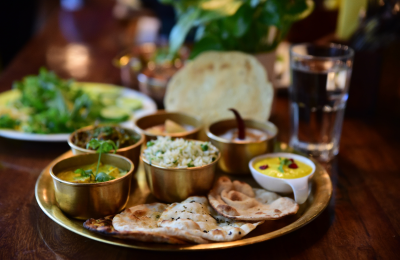
Provide 1–2 recipes with full documentation supported with Mise en place photos or key execution steps. To Bootstrapped Ventures, confidence is a result of showing instead of just telling.
Menus & Plated Menus

Begin with a brief bio including your cooking philosophy, long-term aspirations, and contact information. As Escoffier recommended, this part would be crunchy and real! A sentence or two about your food values is all it takes to make a personal connection.
Work Experience & Internships

All students have the opportunity for a formal six-month internship within India or abroad. This practical training makes them comprehend the real operation in the hotel industry, from F&B to the front office, which is one of the prerequisites for candidates seeking hotel management placements abroad.
Certifications, Competitions & Awards
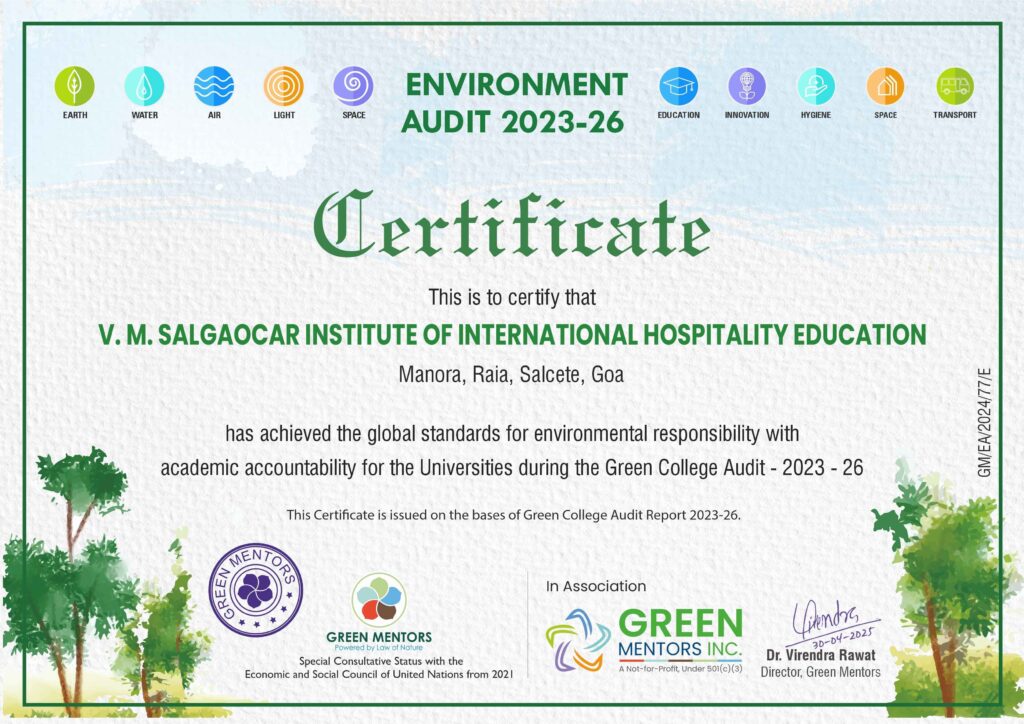
Provide 1–2 recipes with full documentation supported with Mise en place photos or key execution steps. To Bootstrapped Ventures, confidence is a result of showing instead of just telling.
Presentation: Digital vs Print & Platform Choices

How you present your work is as important as the work. Students can opt for digital, print, or both, depending on what they hope to accomplish. Wix and Behance are favorite sites for the best examples of culinary portfolios for students because the layouts can be customized to fit your design and have a good visual appeal. A basic one-page website makes you look professional, and a PDF version is great to email to recruiters. Instagram highlights can also serve as supplementary galleries, but should not replace a professional portfolio.
In designing your presentation, look for a minimalist layout, consistent font choice, and liberal white space. Include captions that tell the story of each dish—its concept, purpose, and result. This clarity will help your portfolio feel well-rounded and polished. Also, check our blog on How to join cruise ship after hotel management complete guide
Photo & Recipe Best Practices
Your entire portfolio can benefit from a high-quality visual. For photography, implement principles from Park City Culinary Institute, shoot in natural light, use fewer props, and take three angles: top view, 45° close-up shot, and macro close-ups. Don’t do too much editing that alters colors and textures to a heavy extent.
For recipes, tell us why people will want to make it its yield and preparation time, and call out the key steps: those that give you the most bang for your buck with use of ingredients, or those that are hardest to execute well. And don’t forget about allergens! Aim to be clear because recipes should be reproducible yet short. These best practices will ensure your portfolio looks professional and emphasize the attention to detail needed in culinary professions.
How to Curate & Update Your Portfolio

Student C completed a culinary experience internship in a luxury international resort. Relying on a good foundation that they had established in VMSIIHE food production labs, they were impressive in their prep Work, menu trials, and cold kitchen operations. Impressed by their reliability and resourcefulness, the executive chef offered them a Commis Chef role. This journey showcases the efficacy of VMSIIHE’s training approach and that its hotel management course with placement offers brings an assured return on investment.
Final Thoughts
A portfolio is not just about reflecting what you have done; it’s also about demonstrating growth and discipline and defining your cooking identity. If you're wondering how to make a professional Culinary Portfolio, the answer is really simple. Keep it up to date, apply some smart design principles, keep your food images looking clean and delicious, and only show off your best work. For students who are looking for careers of a lifetime, delve into positions such as private chef or executive sous chef to know what the highest-paying culinary job is and tailor your portfolio accordingly. Ready to begin? Decide on your 10 best plates, write one sharp chef bio, and publish a simple Wix page tonight—then DM us the link if you would like feedback specific to you.
FAQ"S
At the very least: a short chef bio, 8-12 professional photos of the best dishes with captions, 1-2 full recipes, sample menus, scholarship highlights, and certifications (if applicable), as well as competition wins. Multimedia short process videos help in such scenarios.
Both. Have a one-page website for discoverability and a clean downloadable PDF for journalist interviews. Websites (Wix/Behance) are simple to update; PDFs are practical for sending to recruiters.
Shoot for 8-12 top photos and 1-2 complete recipe photo spreads. Quality over quantity, curate only pieces that demonstrate technique, creativity, and consistency.
Yes, Instagram highlights or a professional grid can serve you, but if you are planning for that, keep your images high quality, caption them with explanations of context, and maintain a more formal PDF/website for employers to access.
Flip after each internship, competition, or menu change, but at the very least every six months. And keep the lead pieces fresh while archiving older work. Early and regular updates build a more rounded and stronger story.
